

fbpx
Skip to content
Fendt Rogator

SPRING APPLICATION EQUIPMENT CHECKLIST

As an operator, you may spend more time in the sprayer than in any other piece of equipment throughout the growing season. If things go as planned, tillage, planting, and harvest are completed in one pass. However, your sprayer makes multiple applications of herbicide, fungicide, and potentially pesticide each year, depending on that season’s field conditions.

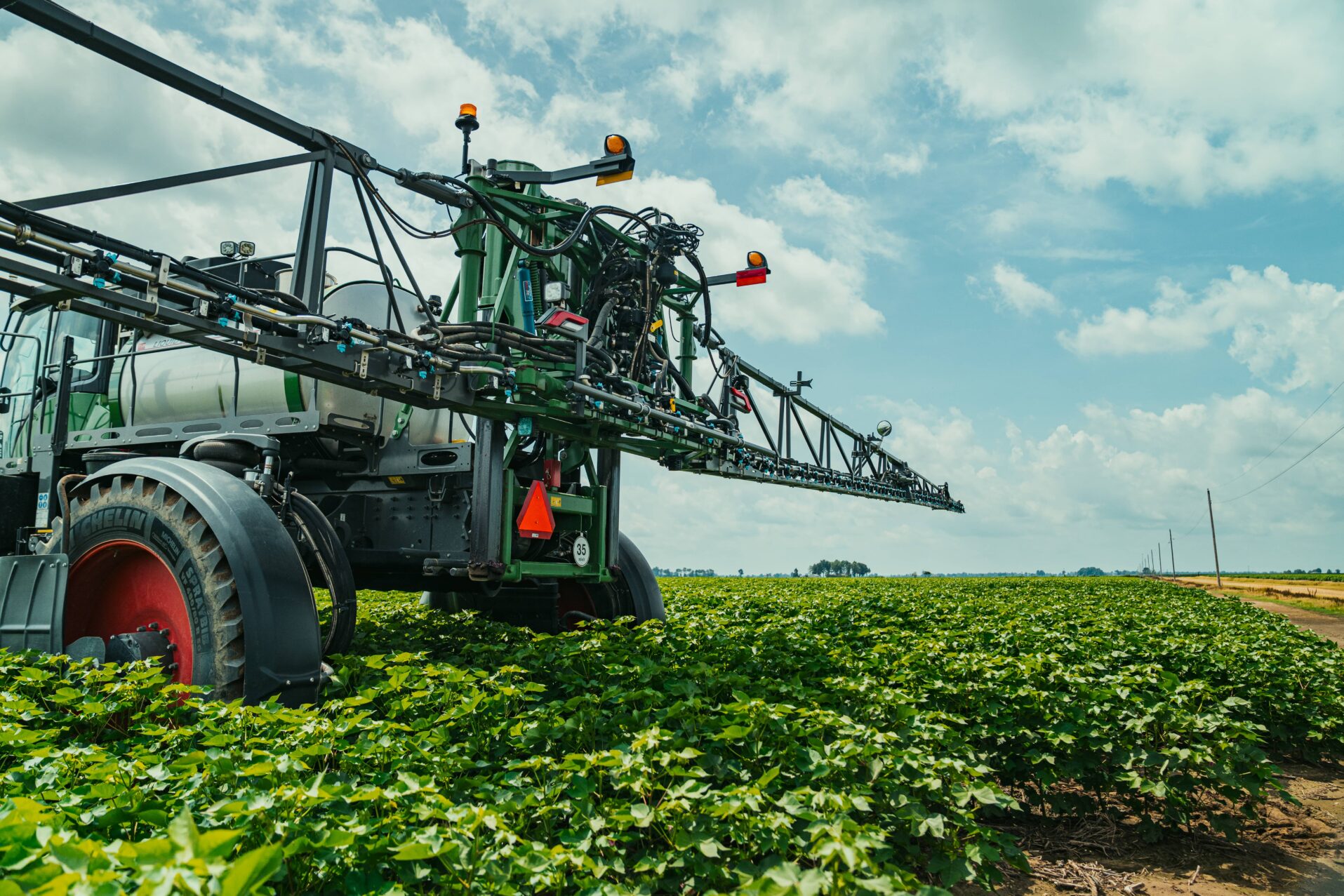
It is important to check the structure and lift assembly, boom plumbing, spray tips, machine and solution plumbing, chassis, engine, electrical spray control, safety, and vision-based spray systems.

ASK US A QUESTION

STRUCTURE AND LIFT CAPACITY

Regular inspection of the structure and lift assembly before, during, and after the spraying season helps ensure safe, consistent performance.

  • Boom Structure:
    • Inspect the boom frame and welds for cracks
    • Remove rust and repaint as needed to prevent corrosion
    • Check breakaway boom tension; ensure components are not seized and adjust if needed
  • Hydraulic Cylinder and Hoses:
    • Check hoses for leaks or excessive wear
    • Watch for common wear signs: cuts, abrasions, and cracking
    • Check attachment pins for wear or looseness
  • Additional Maintenance Checks:
    • Calibrate the boom height control system, inspect the electrical harness for pinches or exposed wires, and grease and lubricate all recommended points per the operator’s manual.
 

BOOM PLUMBING:

Keeping boom plumbing in good condition ensures consistent, accurate product distribution across the field.

  • Hose Inspection:
    • Check all hoses before the season for overall condition
    • Look for sagging or kinked hoses that could restrict flow
    • Ensure hoses are properly routed around fold points
    • Inspect fittings for leaks
    • Remove end caps and check section ends for chemical buildup
  • System Flush and Cleaning:
    • Flush and clean the system after each use to prevent cross-contamination
    • Maintain system efficiency by removing leftover product residue

SPRAY TIPS

Properly functioning spray tips are essential for uniform application, correct droplet size, and hitting your target rate. Worn or underperforming tips can lead to chemical waste, increased drift, or poor weed control.

  • Select the Correct Spray Tips:
    • Follow chemical label recommendations for droplet size and spray quality
  • Technology Upgrade Option:
    • Consider upgrading to SymphonyNozzle for improved control. Reduce input costs by targeting high-pressure areas and limiting application in low-needed zones. Monitor performance with real-time feedback.
  • Test Spray Pattern:
    • Run a test to confirm proper nozzle performance and coverage. Use spray cards to evaluate distribution: place cards on a flat surface beneath each nozzle, fill the tank with water, and run the sprayer; check for uniform coverage across all cards. Gaps, overlaps, or uneven patterns may indicate plugged or partially plugged tips.
  • Check Rate Consistency:
    • Check rate consistency by performing a catch test to verify even output: place a container under each nozzle, spray at your target pressure for a set time, measure, and compare the output from each nozzle. Inconsistent volumes indicate wear or blockage.
  • Replace worn spray tips:
    • Replace any tips showing signs of wear or inconsistency. Worn tips can lead to over- or under-application. Maintaining accurate tips improved efficiency, coverage, and overall results.

SOLUTION PUMP AND MACHINE PLUMBING:

The solution pump and plumbing system move products from the tank to the nozzles. Keeping this system in good condition ensures efficient flow and accurate application.

  • Pump and Connections:
    • Inspect pump hoses and connections for damage or leaks
    • Repair any leaks to prevent chemical waste and performance issues
    • Check the hydraulic motor for leaks or signs of wear
    • Never run the pump dry, as it can damage internal seals
  • Electrical Components:
    • Inspect electrical connectors and solenoids for damage. Ensure all connections are clean and free of corrosion.
  • Strainers and Filters:
    • Inspect and clean all strainers regularly, check for cracked bowls or damaged components, and ensure O-rings are properly seated and not twisted or worn.
  • Tank and Structure:
    • Inspect the tank lid for cracks or damage. Check seals for wear to prevent leaks or contamination and tighten any loose bolts.
  • Valves and Fill System: 
    • Check all valves for proper operation, inspect the fill hose for damage, secure connections, and look for leaks.


CHASSIS

The chassis is the foundation of the sprayer. Routine maintenance is key to maximizing machine life and preventing costly downtime.

  • Pre-Season Chassis Maintenance:
    • Complete a full machine inspection before the season begins
    • Follow all recommended service intervals in the operator’s manual
    • Grease all lubrication points
    • Change hub oil if required
    • Replace any worn or damaged components to avoid in-season breakdowns
  • In-Season Checks:
    • Monitor tire pressure regularly
    • Check lug nut torque
    • Verify torque on tread adjustment bolts
    • Inspect hydraulic hoses for wear or leaks
    • Check airbags and suspension components for proper function
  • Post-Season Care:
    • Thoroughly clean the chassis before storage
    • Remove dirt, debris, and chemical residue
    • Prevent rust and corrosion by keeping surfaces clean and dry

ENGINE

Follow your operator’s manual for all recommended maintenance intervals and annual service items to keep your engine running reliably throughout the season.

  • Inspection and Preventive Maintenance:
    • Verify all warning lights are functioning properly
    • Inspect the engine drive belt for cracks or damage
    • Clean the radiator to prevent overheating
    • Check and top off all fluid levels as needed
  • Battery and Electrical:
    • Test batteries to ensure proper performance, clean terminals, and connections if needed.
  • Routine Service:
    • Perform engine oil and filter changes, service the fuel system, and replace hydraulic oil and filters as recommended.
  • Air and Filtration:
    • Inspect and replace air filters as needed (engine air, cab air, and carbon filter if applicable).

ELECTRICAL AND SPRAY CONTROL

A properly functioning electrical and spray control system is critical to maintaining uptime and ensuring accurate application.

  • Hydraulic Manifold: 
    • Fold and unfold the system to inspect
    • Check solenoid valves for proper function
    • Inspect for leaks or signs of wear
  • Power Distribution Module (PDM):
    • Ensure the PDM is securely mounted and free of damage
    • Inspect cable harnesses for wear, damage, or corrosion
    • Check all pins and sockets for clean connections
  • Harness and Connection Checks:
    • Inspect all key harnesses, including:
      • Power harness from battery to PDM
      • CAN harness to PDM
      • Pressure sensor harness
      • Main power harness to PDM
      • Apex power harness from PDM to booms/wings


  • Precision Planting
  • Fendt Rogator
  • Terragator
Fendt Rogator

HAVE QUESTIONS?

Our team is here to make sure YOU are ready for application season.

This field is hidden when viewing the form

Next Steps: Sync an Email Add-On

To get the most out of your form, we suggest that you sync this form with an email add-on. To learn more about your email add-on options, visit the following page: (https://www.gravityforms.com/the-8-best-email-plugins-for-wordpress-in-2020). Important: Delete this tip before you publish the form.
Name(Required)
Zip(Required)

Call us today: 1-877-778-2230
or  Send us a message